Halloween Pet Safety: The Security Briefing
Bailey, the Retired Security Chief, has called an emergency briefing. The threats: candy, candles and a doorbell that will not stop ringing.
Oct 31, 2026 · 5 min read
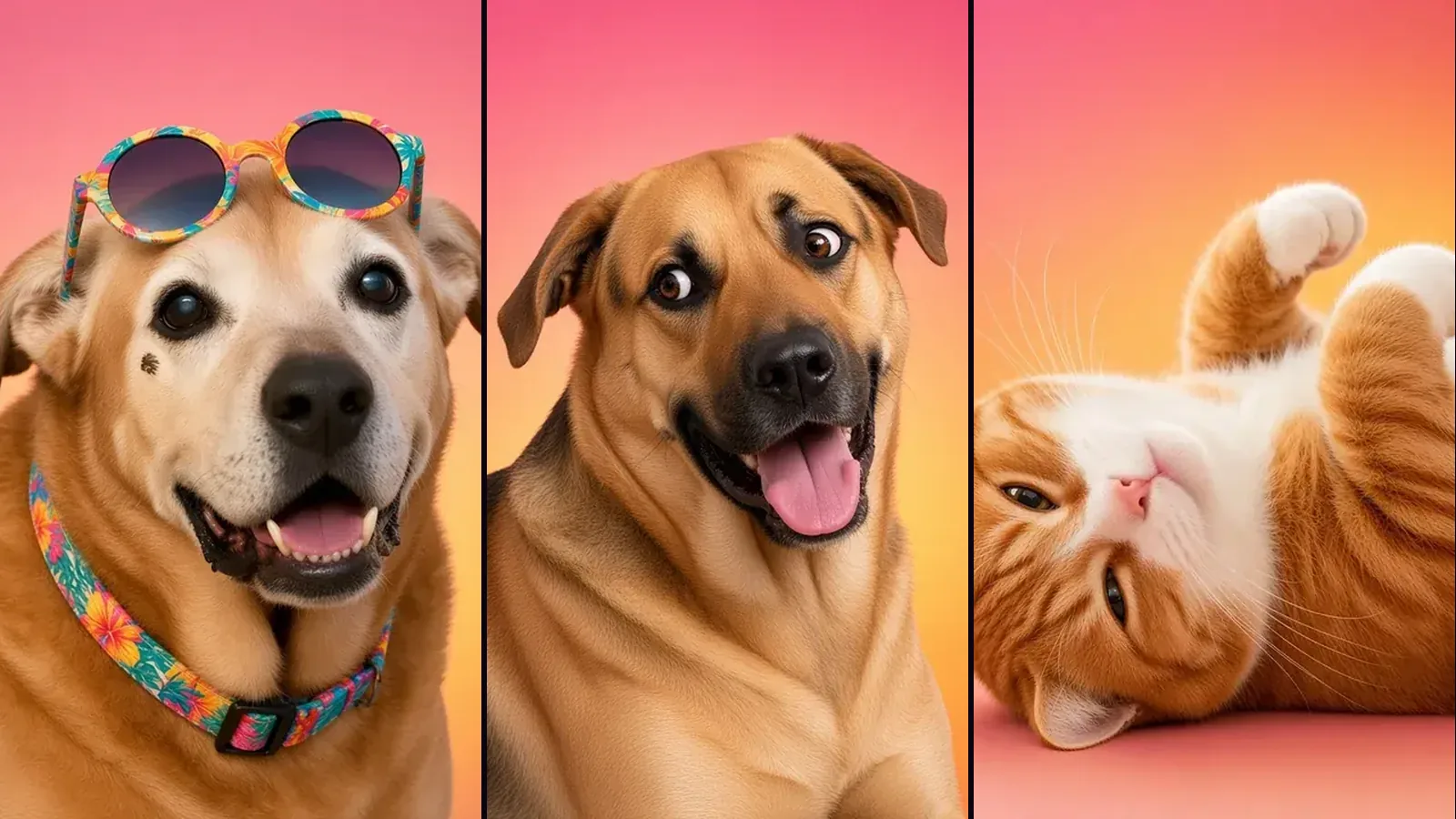
Bailey spent 13 years guarding this household and has retired from the job. Halloween is the one night he comes out of retirement. His briefing starts with a warning: the front door is the biggest threat on the property. Here is the full threat assessment, backed by the ASPCA, the AVMA and other veterinary sources.
Which Halloween candy is dangerous for dogs and cats?
- Chocolate. The ASPCA says it is dangerous for dogs and cats in every form. The darker it is, the greater the risk: baking chocolate and cocoa powder are worst, white chocolate lowest.
- Xylitol. This sweetener turns up in sugar-free candy and gum. It can cause low blood sugar and possible liver damage, with early signs including vomiting, lethargy and loss of coordination. The ASPCA's food list has details. The AKC also warns that canned pumpkin pie filling may contain it.
- Raisins. The AVMA says they can cause kidney failure in pets.
- Wrappers and sticks. AAHA says foil, plastic and wax paper can cause life-threatening blockages. K-State's veterinarians add lollipop sticks.
Our cast's threat level? Kona never misses a meal, so the candy bowl goes up high and behind a door, not in her reach. Bruno, the attention-seeker, is not allowed to be bribed with leftovers. Never let neighbors or guests share candy with a pet either.
Are glow sticks, candles and decorations dangerous?
Some are. Pets can knock over a lit jack-o'-lantern and start a fire, and curious cats can singe themselves on candle flames, according to the ASPCA. K-State's veterinarians suggest battery-operated candles instead. AAHA also flags string lights, cobwebs, loose rubber spiders and bats, plus extension cords that can burn or shock a chewer. Corncobs and pumpkins can fragment and cause blockages, the AKC adds.
Glow sticks look scary but usually are not: the AVMA says the liquid tastes awful and can cause heavy drooling or odd behavior, though it is not likely to be harmful. Still, keep them out of reach. This is mostly a job for Mackie's door frames, because anything dangling from above is a climbing invitation.
How do you keep pets calm and inside during trick-or-treating?
The ASPCA says all but the most social cats and dogs should wait in a separate, comfortable room away from the front door during peak hours. The AVMA recommends keeping pets indoors, and making sure they have a microchip, collar and ID tag in case they slip out. Here is Bailey's door plan:
- Set up the retreat room first. Add their favorite toys, a chew or food puzzle for dogs, and interactive toys for cats (ASPCA). K-State's veterinarians add that music or a TV can mask the noise.
- Block the exit. AAHA recommends crates, doors or baby gates, because the door opens every few minutes.
- Or move the party outside. AAHA suggests sitting at the end of your driveway with the candy bowl.
- Check the ID. Update microchip details and tags. If you walk a dog after dark, use a reflective collar and a leash.
- Know the stress signs. The AKC lists tucked tails, retracted ears, pacing, shaking, yawning, lip-licking, panting and refusing treats.
Diesel, our gentle giant, rushes the camera when he is excited. A stranger in a costume at the door is the same plan, and this is exactly why he waits behind a gate.
Are black cats really in danger on Halloween?
Experts are split on the details, so here is what is checked. The ASPCA's Christa Chadwick has told USA Today there is no evidence black cats are in peril on Halloween, and Best Friends debunks the older myths. A K-State veterinarian, on the other hand, advises keeping cats, especially black ones, inside that night. The practical answer is the same: keep every cat indoors on Halloween, whatever color. Smokey is slate gray, not black, and would like that noted.
What should you do if your pet eats something dangerous?
Call right away rather than waiting for symptoms. Phone your veterinarian, an emergency clinic or ASPCA Poison Control at (888) 426-4435. It is staffed 24/7, and a consultation fee may apply. Have your pet's weight, what was eaten, how much and when. LSU's veterinary school adds not to induce vomiting unless a vet tells you to. Save the number in your phone before the doorbell rings.
Quick answers
What Halloween candy is dangerous for dogs and cats?
Chocolate (especially dark and baking chocolate), anything with xylitol such as sugar-free candy and gum, and raisins are the big ones. Wrappers and lollipop sticks can also cause blockages (ASPCA, AVMA).
Are glow sticks poisonous to pets?
The AVMA says the liquid tastes bad and can cause heavy drooling or odd behavior but is not likely to be harmful. AAHA adds that chewing them can cause mouth irritation and vomiting, and the plastic can cause intestinal problems.
Should I keep my cat inside on Halloween?
Yes. The AVMA recommends keeping pets indoors. Experts disagree on whether black cats face extra danger, but an indoor cat is safe from both the myth and the open door.
What number do I call if my pet eats something toxic?
Call your veterinarian or ASPCA Poison Control at (888) 426-4435. It is staffed 24/7, and a consultation fee may apply.
Sources
- ASPCA: Halloween Safety Tips
- ASPCA: Animal Poison Control
- ASPCA: People Foods to Avoid Feeding Your Pets
- AVMA: Halloween pet safety
- AAHA: Halloween Safety for Pets
- AKC: What Do Dogs Really Think About Halloween?
- K-State Veterinary Health Center on Halloween pet safety
- Best Friends: Black cat myths debunked
- LSU School of Veterinary Medicine: Halloween hazards
- USA Today: Are black cats really bad luck? Experts weigh in
Not vet advice
This is general information from the sources above, not veterinary advice and not a diagnosis. If you think your pet has eaten something harmful, call your veterinarian or ASPCA Poison Control right away rather than waiting for symptoms.